A Look Around Matewan
Take a closer look at the town and the setting that surrounds Matewan's historic downtown.
Explore the history of Matewan, WV—from the Hatfield-McCoy feud and the 1920 Battle of Matewan to the Tug Fork floods that reshaped downtown and the floodwall that protects it today.
Matewan connects Appalachian railroad and coal history, the Hatfield-McCoy story, nationally significant labor history and generations of life along the Tug Fork.
Matewan grew with the railroad and coal economy of southern West Virginia. The compact downtown that visitors walk today sits beside the Tug Fork and preserves buildings, streets and stories that connect the town to nationally significant labor history.
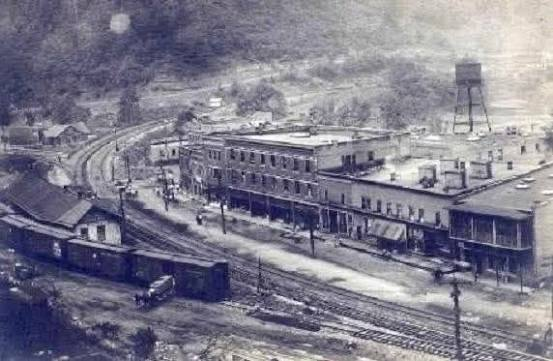
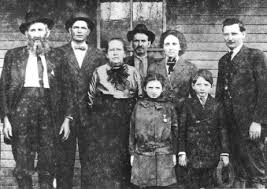
The Hatfield-McCoy feud unfolded across the Tug Fork region along the West Virginia-Kentucky border. The Hatfields were rooted on the West Virginia side of the valley, while the McCoys were based across the river in Kentucky. The conflict became one of America's best-known family feuds and remains inseparable from the identity of this region.
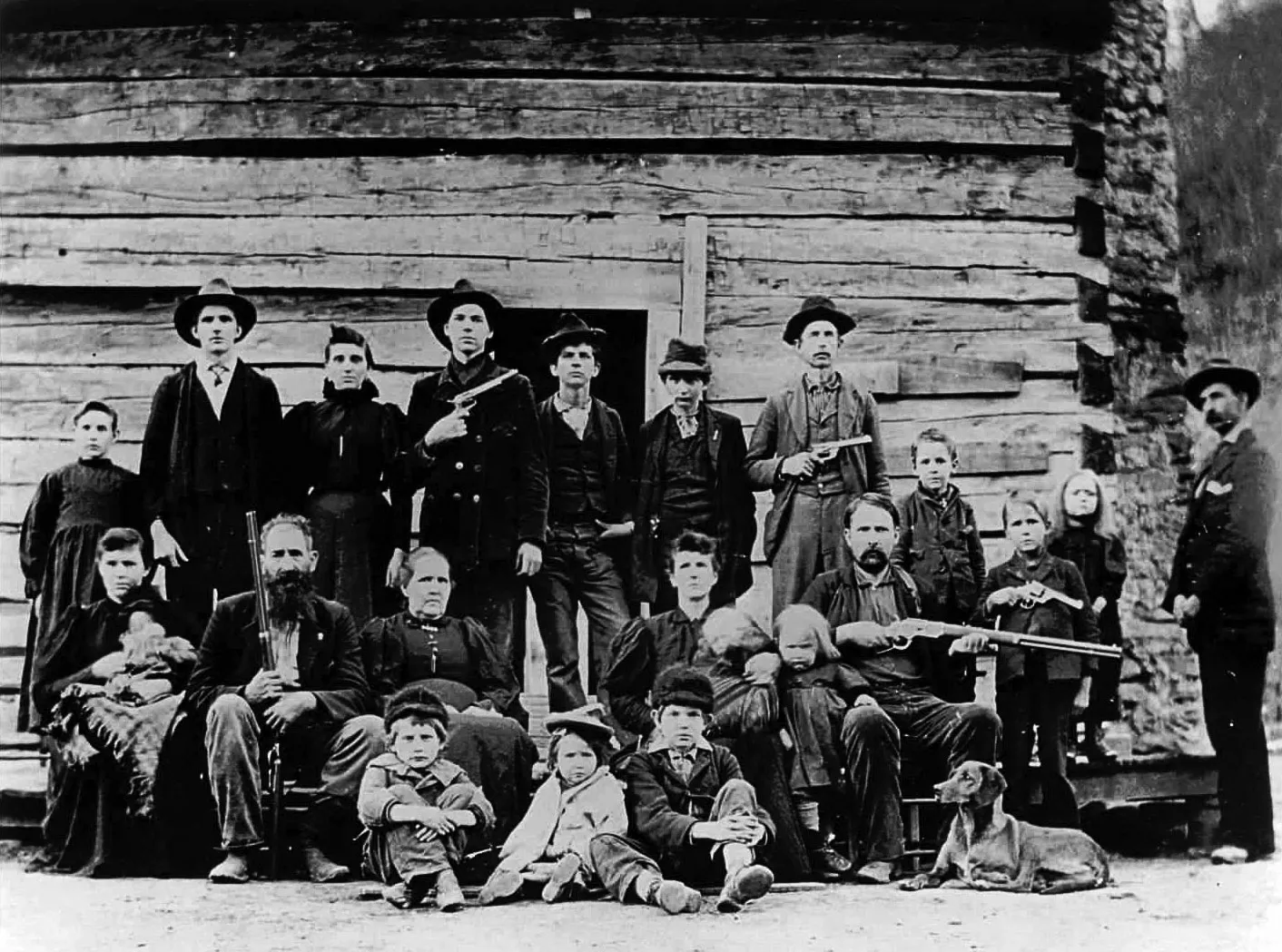
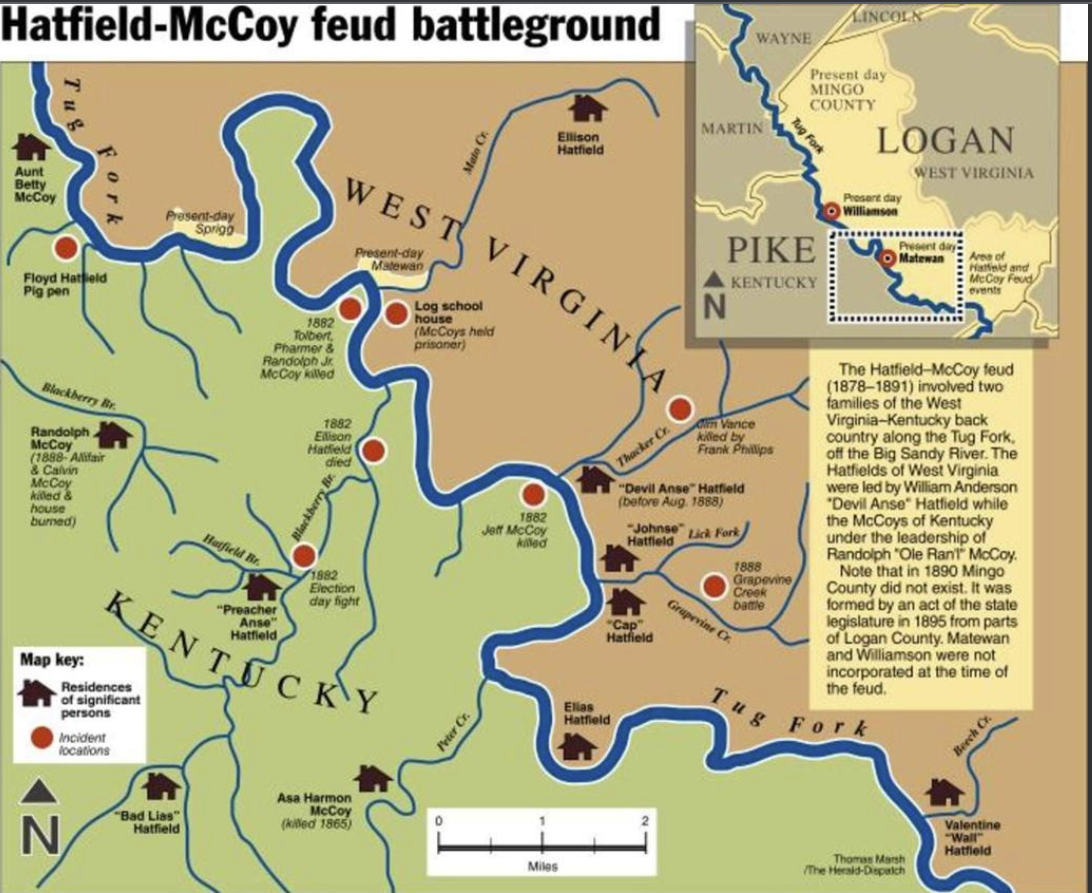
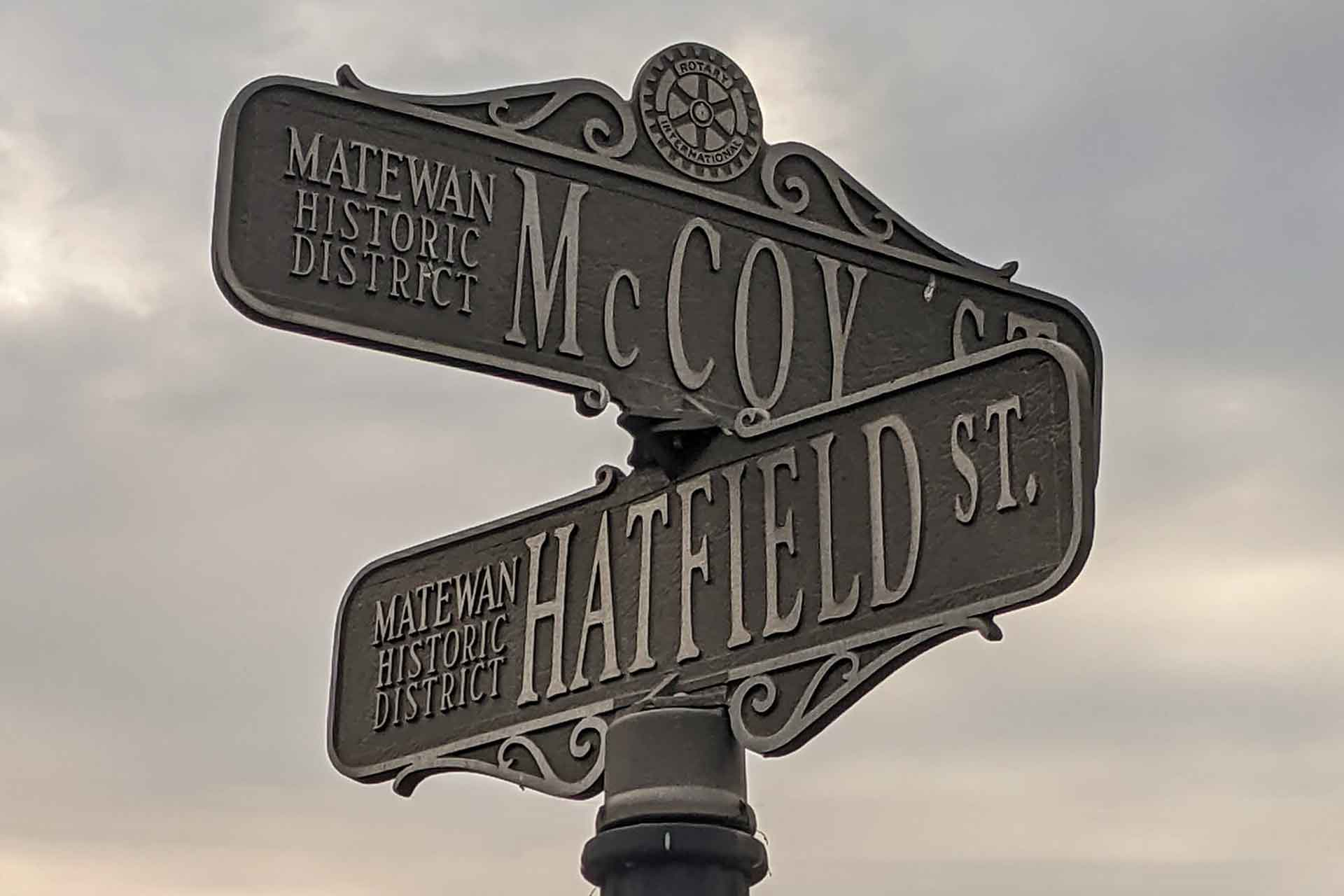
The modern intersection of Hatfield Street and McCoy Street gives visitors a simple reminder that the feud is not an abstract legend here. It belongs to the same Tug Fork landscape that surrounds Matewan today.
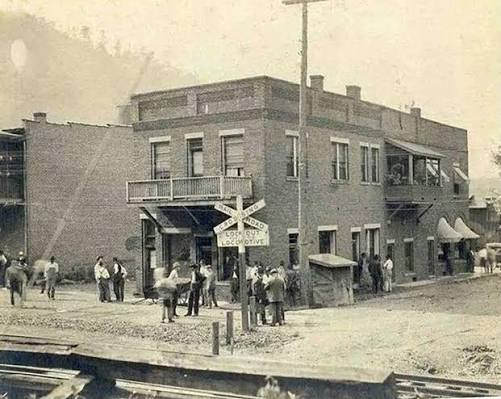
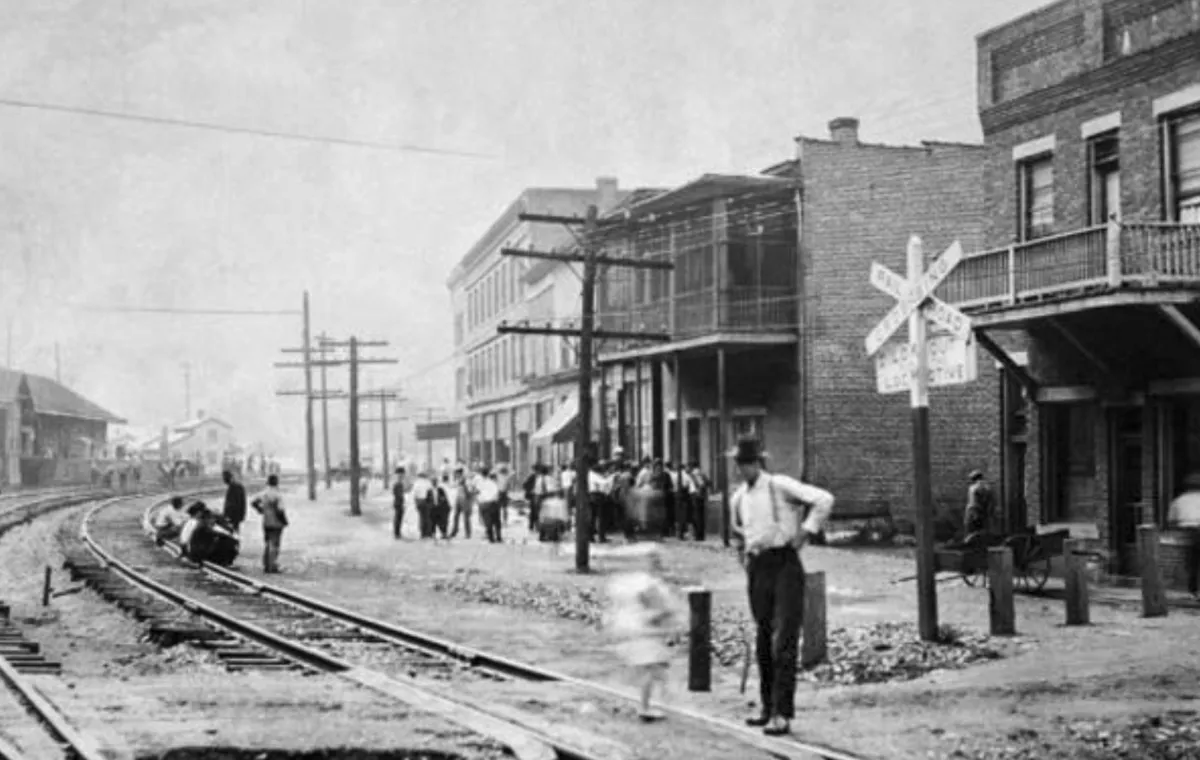
On May 19, 1920, a confrontation involving local lawmen, union miners and Baldwin-Felts detectives erupted into gunfire in downtown Matewan after detectives had been carrying out evictions of miners and their families. The deadly shootout became a rallying point in the West Virginia Mine Wars and made Matewan nationally significant in American labor history.
This historic view shows Matewan around the time of the 1920 labor conflict. The confrontation occurred in the business district near the gathering visible farther down the street.
Matewan Police Chief Sid Hatfield survived the shootout and became a symbol of the miners' struggle. The conflict helped intensify labor unrest in the region during the early 1920s.
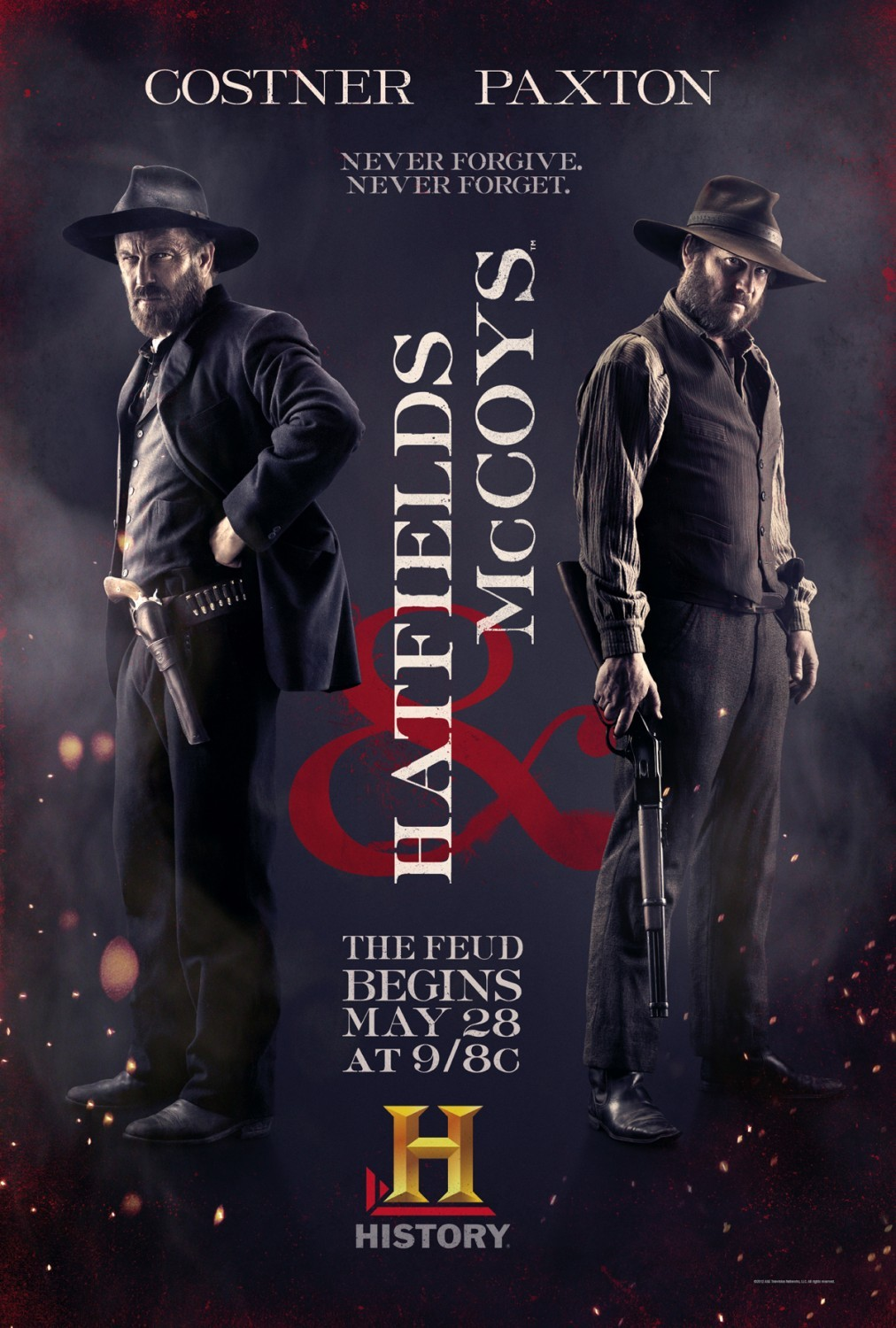
Two major screen productions helped carry the stories tied to Matewan and the Tug Fork Valley to audiences far beyond southern West Virginia: John Sayles' acclaimed 1987 film Matewan and History's 2012 miniseries Hatfields & McCoys.
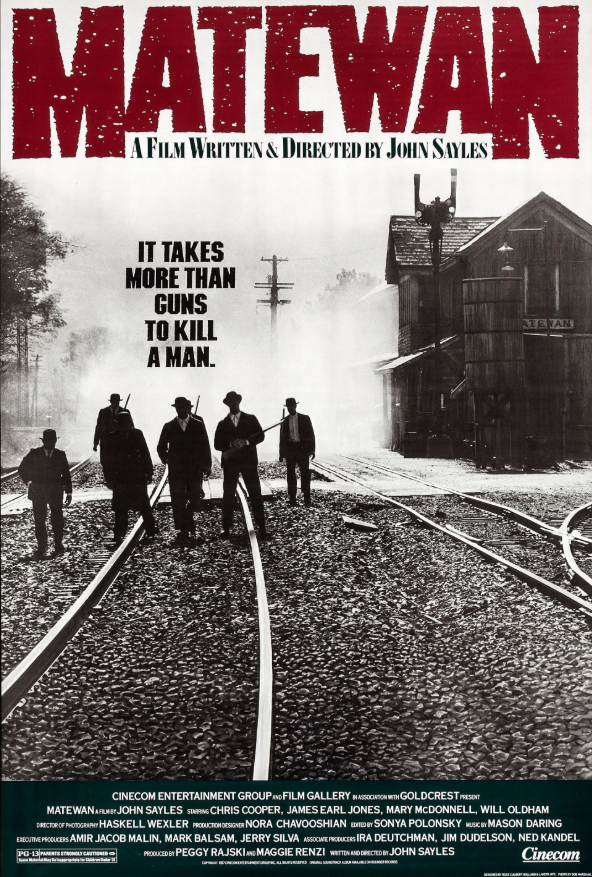
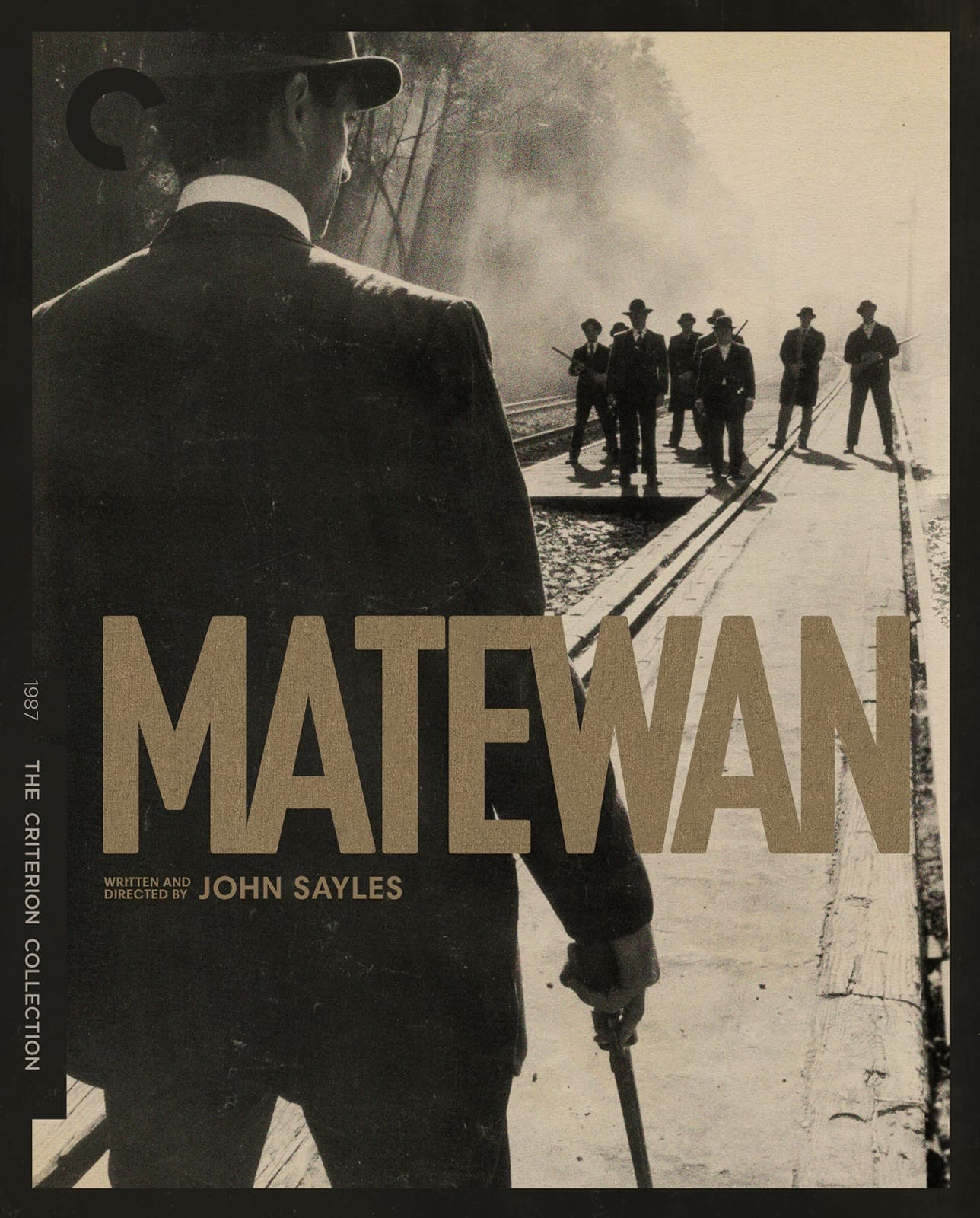
Written and directed by John Sayles, Matewan dramatizes the events surrounding the 1920 Battle of Matewan and the struggle of coal miners attempting to organize. The film stars Chris Cooper in his film debut, alongside James Earl Jones, Mary McDonnell, David Strathairn and others. Strathairn portrays Matewan Police Chief Sid Hatfield.
The movie is a historical drama rather than a documentary, but its subject is rooted directly in the labor conflict that made Matewan nationally significant. Haskell Wexler's cinematography received an Academy Award nomination, and the film has endured as one of the best-known portrayals of the West Virginia Mine Wars.
More than two decades later, History's Hatfields & McCoys miniseries introduced another chapter of Tug Fork history to a massive national television audience. Kevin Costner portrayed Devil Anse Hatfield and Bill Paxton portrayed Randall McCoy in the three-part production.
The feud predates the Battle of Matewan, but its geography is inseparable from the same Tug Fork border country surrounding Matewan. The miniseries was filmed in Romania rather than West Virginia, yet its success renewed popular interest in the Hatfield-McCoy story and in the communities where the real history unfolded.
The posters shown here identify the productions discussed above. Film and television dramatizations may combine, alter or fictionalize people and events for storytelling.
Flooding repeatedly damaged Matewan throughout the twentieth century. The 1977 Tug Fork flood was one of the catastrophic events that demonstrated just how vulnerable downtown was to the river.
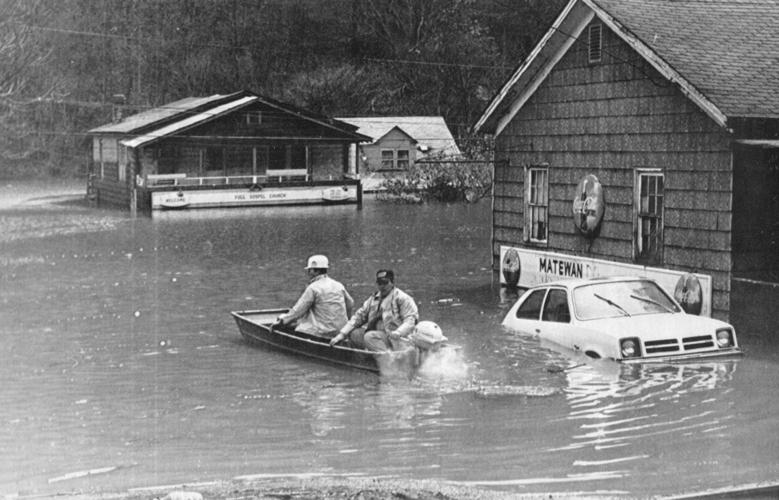
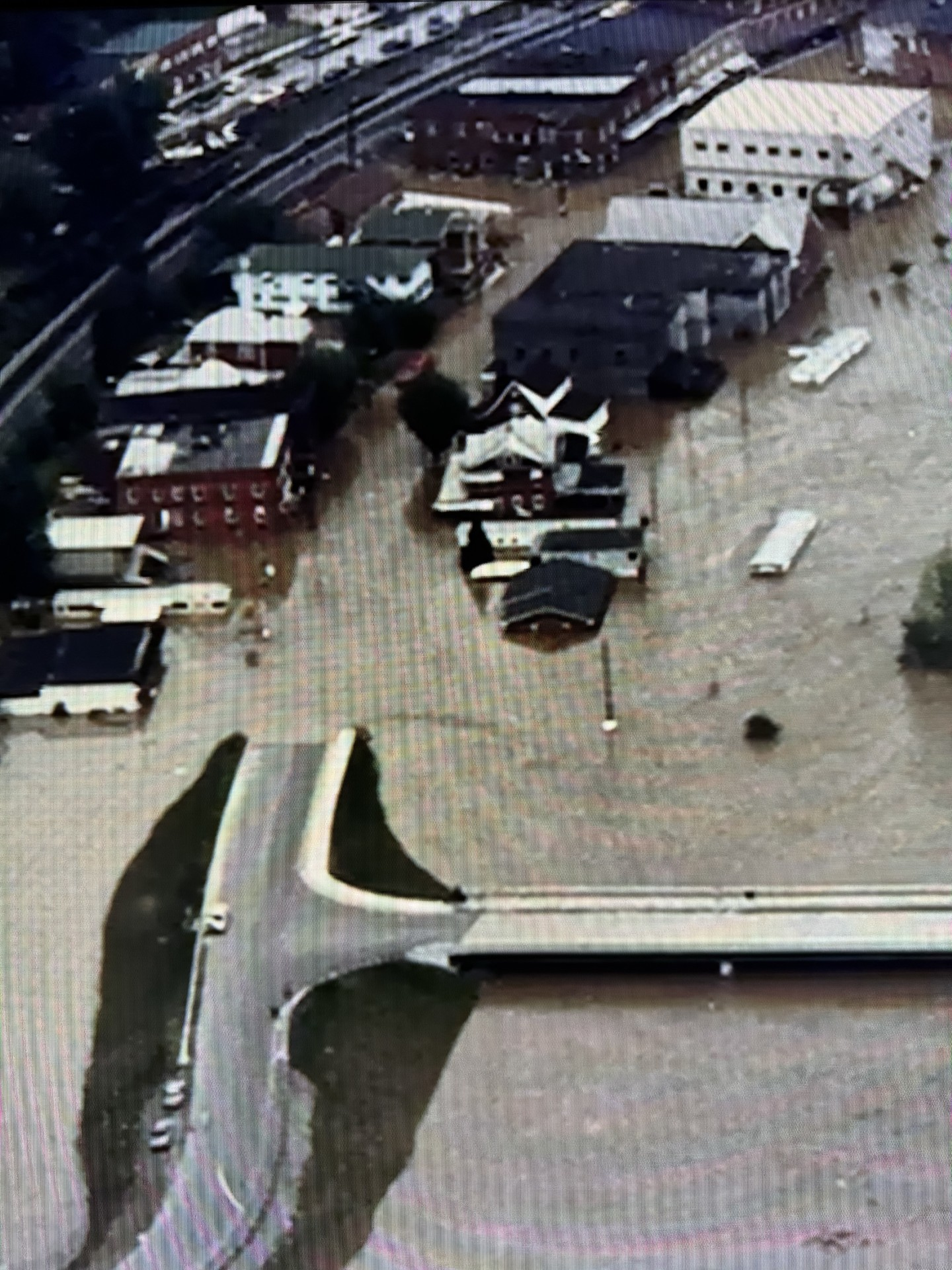
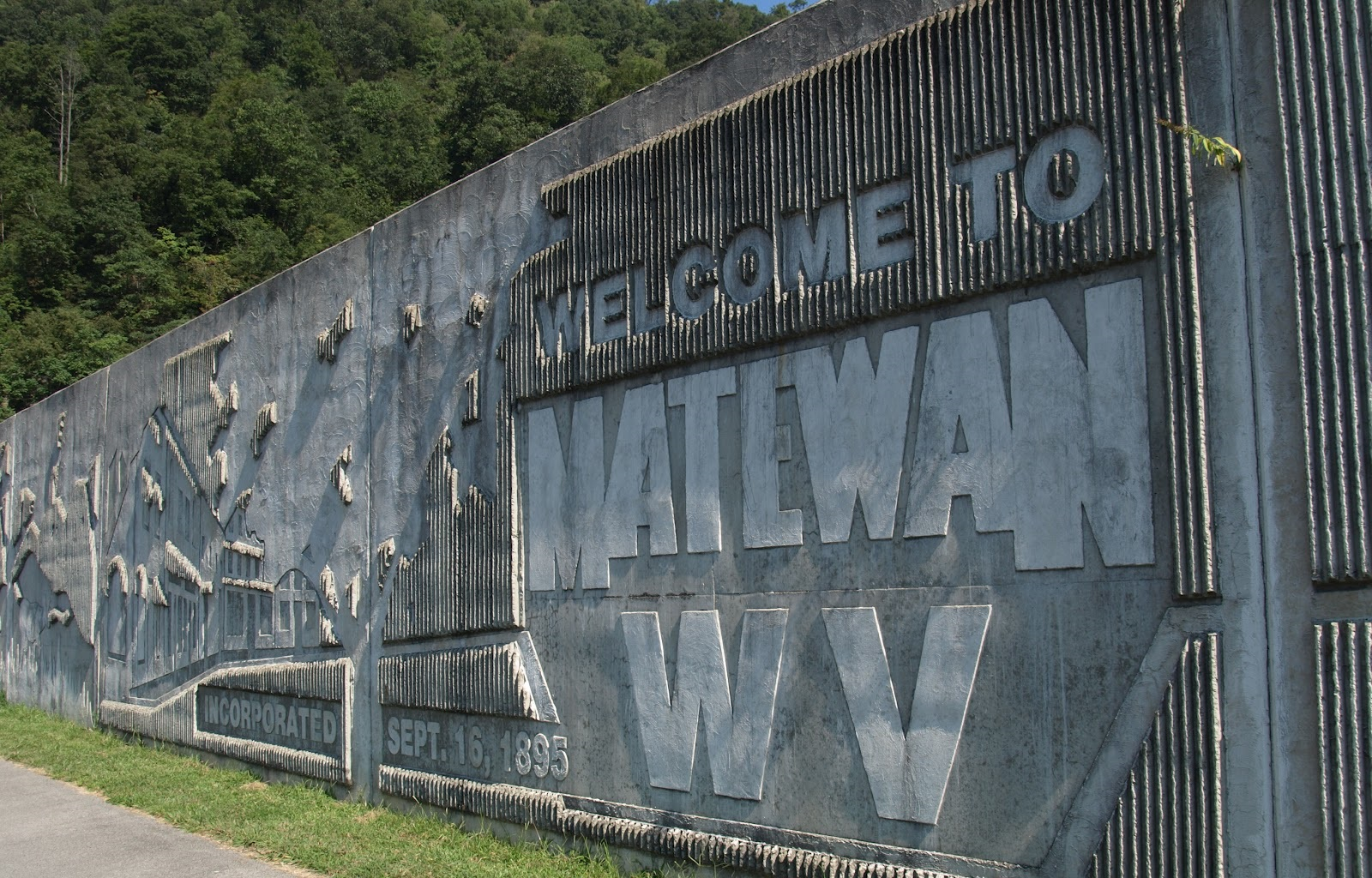
Matewan endured repeated property-damaging floods for decades. West Virginia Tourism notes especially destructive floods in 1957, 1963, 1977 and 1984, and describes the town's modern floodwall as a 2,350-foot structure built to help protect downtown.
The wall became more than flood-control infrastructure. Its public-facing design and artwork tell Matewan's story, turning a piece of protection into one of the town's most recognizable landmarks.
History reads differently once you can see the place where it happened. These independent videos offer a look around Matewan, its historic downtown and the surrounding Appalachian landscape.
Take a closer look at the town and the setting that surrounds Matewan's historic downtown.
See more of Matewan and get a feel for the streets, scenery and character of this historic West Virginia town.
These videos are independently produced and are embedded here to help visitors see Matewan before their trip.
Matewan's historic downtown is compact and walkable. Visitors can move between historic sites, local businesses, museums, the floodwall and the Tug Fork while staying close to the Hatfield-McCoy Trails.
Pick Your Trails → Matewan Convention & Visitors Bureau
Local visitor information, attractions, events and things to do in Matewan.
Matewan Convention & Visitors Bureau
Local visitor information, attractions, events and things to do in Matewan.
 West Virginia Tourism — Matewan
Explore Matewan through the official West Virginia Tourism visitor guide.
West Virginia Tourism — Matewan
Explore Matewan through the official West Virginia Tourism visitor guide.
Historical content on this page is based on National Park Service material on the Matewan conflict and West Virginia Mine Wars, plus West Virginia Tourism and local Matewan visitor resources. Historic photographs supplied for this page are presented as local-history imagery; some may be replaced with higher-resolution archival copies before final deployment.